
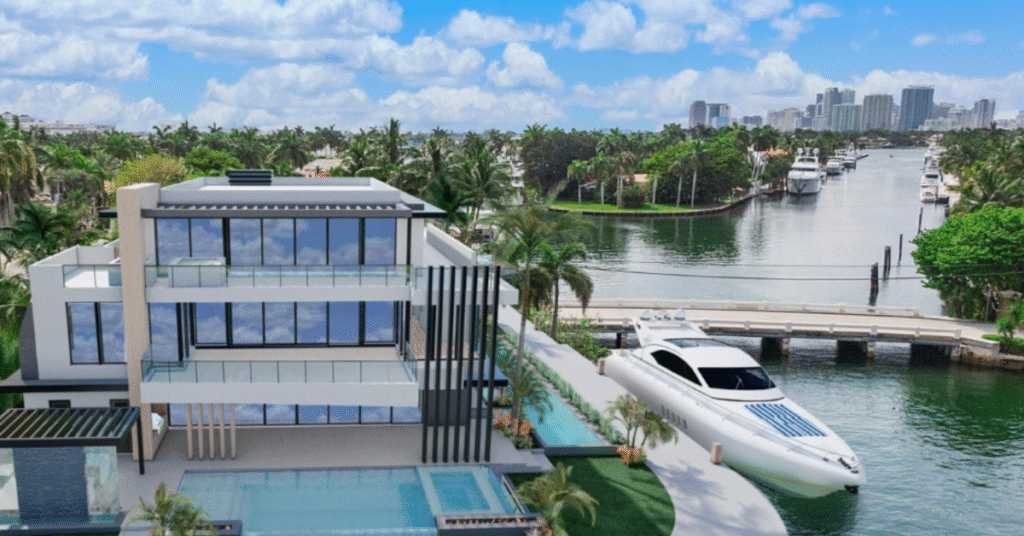
Dreaming of life on the water? Buying a Fort Lauderdale point lot home offers unmatched views, boating access, and a luxury lifestyle—if you know what to look for. From dock inspections to zoning laws and flood insurance, this guide walks you through every step to ensure your waterfront investment is both smart and satisfying.
For many, owning a point lot home in Fort Lauderdale isn’t just a real estate goal—it’s a lifestyle dream. Imagine waking up to the shimmer of the Intracoastal, stepping out to your private dock with coffee in hand, and watching your yacht sway gently with the current. It’s not just about square footage or curb appeal; it’s about the freedom to live by the water, with panoramic views and dock space that rivals a marina.
But before you sign on the dotted line and start planning sunset cruises, there are some crucial things to understand about buying a point lot home. These properties are unique, and so are the challenges they bring. So let’s walk through what you need to know.
Water Access: It’s Not Just About the View
Let’s start with the obvious: if you’re buying a point lot, you’re likely a boater, or at least someone who loves being close to the water. So it’s essential to check more than just how picturesque the view is.
How large is the dock? Is it in good shape, or does it need repairs? A splintering deck or rusting pylons could mean big costs down the line. Also, don’t overlook the essentials—power, water, and lighting at the dock are non-negotiables if you plan on doing any boating or entertaining.
Then there’s the seawall. Think of it as your home’s shield against the tides. If it’s cracking or bowing, that could spell trouble. Before you move forward, bring in a marine contractor to assess its condition. It’s an upfront expense, but one that could save you tens of thousands later.
Zoning and Boating Regulations: What the Brochure Doesn’t Say
Fort Lauderdale has earned its title as the “Venice of America,” but even paradise has rules.
Each waterfront property falls under specific zoning laws that affect how close your boat can be to your neighbor’s yard, how far your dock can stretch into the canal, and whether your vessel can even pass under nearby bridges. Some areas have height restrictions due to fixed bridges, which could limit the type of boat you can own. Imagine buying a home and realizing your dream yacht won’t clear the bridge—it happens more than you’d think.
That’s where a local real estate agent who knows the waters (literally and legally) becomes invaluable. They’ll help you navigate these local quirks, ensuring your boat—and your plans—can float freely.
Flood Zones and Insurance: Reality Check Ahead
It’s no secret—Florida’s weather can turn on a dime. Living close to the water means you’ll need to think carefully about flood zones and insurance requirements.
Start by checking the FEMA flood map to see what zone your prospective home falls under. Is it in a high-risk area? If so, you’ll need flood insurance, windstorm coverage, and potentially hazard insurance—all of which can add thousands annually to your budget.
The elevation of the property matters, too. Homes built on higher ground typically face lower insurance costs and less flood risk. Don’t just rely on the seller’s word; bring in professionals who can provide elevation certificates and real cost estimates from local insurance providers.
What Lies Beneath: Structural Integrity of the Home
Salt air and high humidity are part of the coastal charm, but they’re also silent enemies of your home’s foundation.
Have a certified inspector (preferably one with waterfront experience) take a hard look at the bones of the house. That includes the foundation, the roof, and exterior finishes like stucco, wood, or siding. Are the materials saltwater-resistant? Have they stood the test of time?
Also, don’t overlook the windows and doors. They should be hurricane-rated and tightly sealed to keep both moisture and storms at bay. Small details like this make a huge difference—not just for safety, but for energy efficiency and long-term maintenance.
Hidden Costs: The Price of Paradise
Point lot homes are luxurious, but they aren’t low-maintenance. Owning one is a bit like owning a boat—it’s amazing, but it always needs something.
Think about recurring costs: dock upkeep, seawall inspections, specialized landscaping (erosion is a constant battle), and HOA fees, if applicable. Some associations offer security and waterfront maintenance, which can be a perk, but they come at a premium.
The key here is planning. Work with your real estate agent and a financial advisor to forecast your ongoing costs, not just your mortgage. Being prepared means you’ll enjoy the home, not stress over surprise expenses.
It’s Not Just the House, It’s the Neighborhood
Yes, the home might be a showstopper—but what about the street? The surrounding community can elevate or hinder your quality of life and long-term value.
Explore the area at different times of day. Is it quiet at night? Too quiet? How far is the nearest grocery store, restaurant, or marina? Is the neighborhood on the rise, or are there signs of decline?
Also, look into future developments. New condos or hotels nearby could obstruct your view or change the vibe of the neighborhood entirely. Talk to locals. Visit businesses. Feel the energy. Your home doesn’t exist in a bubble—your lifestyle includes everything that surrounds it.
Think About Resale—Even If You Plan to Stay Forever
It might feel strange to think about selling a home you haven’t even bought yet, but it’s a smart strategy.
Certain features—like corner lot locations, unique architecture, or expansive waterfront frontage—tend to hold value and appreciate faster. Stay informed about Fort Lauderdale’s market trends. Real estate is hyperlocal, and timing matters.
Work with your agent to assess not just current value, but growth potential. Whether it’s five years or fifteen, the better your home performs in the market, the more options you’ll have later.
Work With the Right Agent: It’s a Game-Changer
This can’t be stressed enough: buying a point lot home isn’t like buying in a gated community or a condo downtown. It’s nuanced. Complicated. Specialized.
That’s why you need a real estate agent who lives and breathes waterfront properties. They’ll know the setbacks, the tide charts, the city ordinances, the unwritten rules—and perhaps even the seller’s motivation.
Plus, their network becomes yours. Inspectors. Marine contractors. Title experts. This is a purchase where having the right people in your corner makes all the difference.
Final Thoughts: The Luxury of Living on the Water
Buying a Fort Lauderdale point lot home is more than an investment—it’s a lifestyle choice. One that blends the thrill of boating, the peace of waterfront views, and the prestige of one of Florida’s most desirable locations.
But behind the glossy listings and aerial drone shots lies a complex process. With the right guidance and attention to detail, you’ll not only find your dream home, you’ll own it with confidence.
For current listings, neighborhood insights, or help connecting with a waterfront real estate specialist, check out ExclusiveLiving!
Ready to find your dream Fort Lauderdale point lot home? Don’t navigate the waterfront market alone—connect with a local expert who understands the tides, the trends, and what truly adds value.
👉 Start your search today and secure the waterfront lifestyle you deserve!